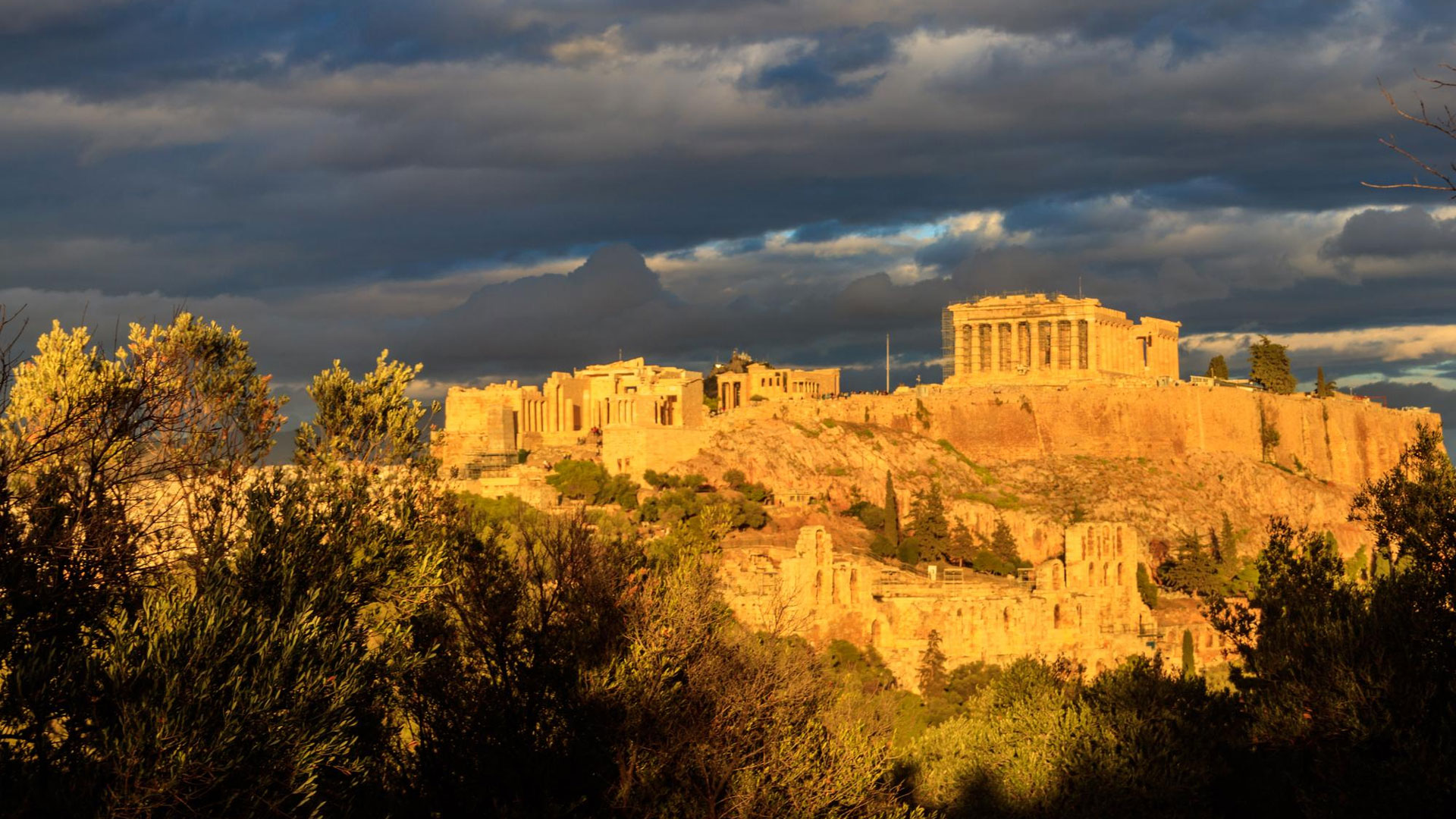
You arrive in Athens hungry at 7:00 PM, expecting the dinner rush to be in full swing. Instead, the tavernas are quiet. Chairs sit empty. Waiters casually sip coffee. For a moment, you wonder if you have somehow shown up too early.
You have.
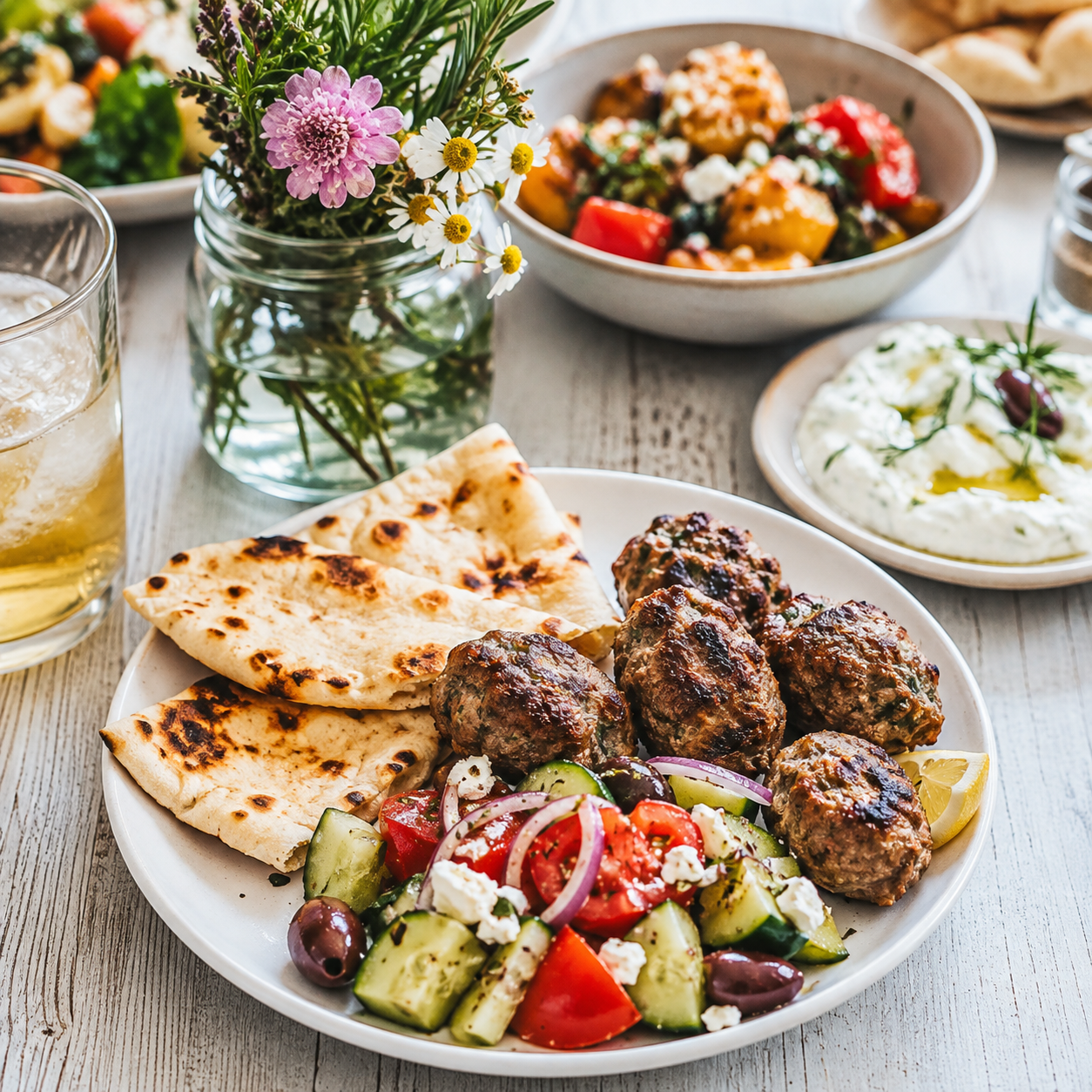
In Greece, 7:00 PM is barely considered dinner time. Most locals will not even think about sitting down to eat until 9:00 PM — and in the summer, 10:00 PM is completely normal. Walk past the same taverna later that night and suddenly every table is overflowing with conversation, clinking wine glasses, and plates of grilled seafood, fried zucchini, and warm pita moving from hand to hand.
So why do Greeks eat so late?
The answer lies somewhere between the Mediterranean sun, centuries-old daily rhythms, and a culture that believes meals should never be rushed.
Life Moves Around the Heat
Summer in Greece is beautiful, but it is also intensely hot. During the day, temperatures regularly climb above 35°C (95°F), especially in cities like Athens. Under that blazing afternoon sun, the idea of sitting down to a heavy meal feels exhausting rather than enjoyable.
Instead, daily life naturally shifts later.
As evening arrives and the heat finally softens, the entire atmosphere changes. The marble streets cool down, sea breezes drift through neighborhoods, and people slowly begin emerging back outside. Suddenly cafés fill up, children play in the squares, and tavernas come alive.
The cooler evening air awakens the appetite — and dinner finally begins.
The Greek Day Starts Later Than You Think
Traditionally, Greek daily life was built around avoiding the hottest hours of the afternoon.
For decades, many businesses would close between roughly 2:00 PM and 5:00 PM for the mesimeri — the midday rest. Families would return home for lunch, which was historically the largest and most important meal of the day, followed by relaxation or even a short nap.
Then life would restart.
Shops reopened in the evening, errands resumed, coffee dates happened, and people often continued working until 8:00 PM or later. By the time everyone finally headed home, showered, and met friends, it was already late by Northern European or American standards.
Dinner at 9:30 PM simply became normal.
And honestly? Once you experience a Greek summer evening, it makes perfect sense.
Dinner in Greece Is Never Just About Food
Perhaps the biggest reason Greeks eat late is because dinner is not treated as a quick necessity. It is an event.
In Greece, meals revolve around parea — the idea of gathering with close friends, family, and good company. A dinner table is not simply where you eat; it is where stories are shared, debates happen, laughter gets louder, and hours disappear without anyone noticing.
Instead of individual main courses arriving in strict order, tables fill with meze — small sharing plates meant for everyone. Grilled octopus, saganaki, fresh salads, tzatziki, local wine, olives, and warm bread slowly cover the table while conversation stretches deep into the night.
Nobody rushes.
In fact, asking for the bill immediately after finishing your food can feel almost rude. In Greece, once you sit down, the table is yours for the evening.
A dinner that begins at 10:00 PM can effortlessly continue past midnight.
How to Adapt Like a Local
If you are visiting Greece and find yourself hungry long before locals even think about dinner, the trick is simple: adjust your rhythm.
Have a long lunch in the afternoon. Slow down during the hottest part of the day. Grab a coffee or a pastry around sunset. Then embrace the late-night energy when the city truly comes alive.
Because some of the most magical moments in Greece happen long after the sun goes down — under glowing taverna lights, with music drifting through narrow streets and conversations that last for hours.
And once you experience it for yourself, you may never want to eat dinner early again.
Would you like to discover the real evening side of Athens with a local expert guide? Contact us and let us create an unforgettable Greek night experience for you.