If you’re visiting Greece and feel hungry around 6pm, you might be surprised to find that many restaurants are still quiet or even closed. That’s not because something’s wrong. It’s simply because in Greece, dinner comes later.
Understanding Greek dinner time is key to enjoying the local dining culture. In fact, it’s one of the easiest and most enjoyable ways to experience life like a local. And once you adjust, you might never want to go back.
What Time Do Greeks Eat Dinner?
In the UK, dinner around 6pm or 7pm is common. In Greece? That’s more like snack time. Most Greeks eat dinner between 8:30pm and 10:30pm, especially in the summer. It’s a slower, more relaxed approach to food and family. You’ll often see families, friends, and even children out enjoying long evening meals late into the night.
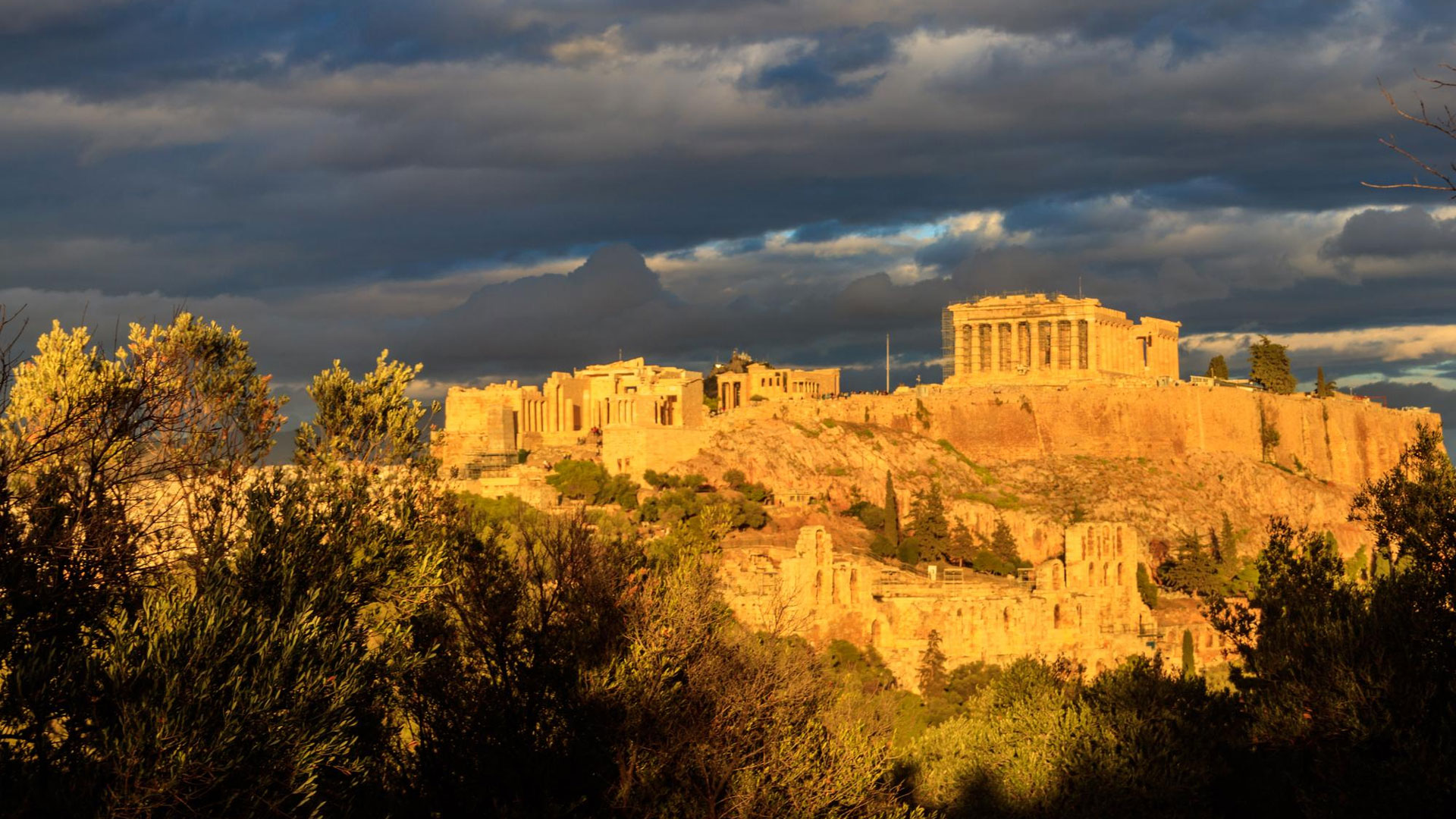
So if you’re in Athens and wondering why it’s so quiet at dinnertime, don’t worry! You’re just early.
Why Is Dinner So Late in Greece?
There are a few reasons for Greece’s later dining schedule:
Climate: In summer, the heat makes it uncomfortable to eat heavy meals during the day. Locals wait until the sun goes down to enjoy a proper dinner.
Daily rhythm: The traditional Greek day includes a light breakfast, a main meal (lunch) around 2pm, and then a break or rest period. Dinner happens later and is often more social.
Social culture: Meals are not rushed. Greeks like to take their time with food, especially at night when work is done and people can relax with wine, good conversation, and shared plates.
What Does a Typical Day of Eating Look Like?
Here’s how many Greeks structure their meals:
Breakfast: Often light, coffee, bread, maybe some yoghurt or a cheese pie.
Mid-morning snack: Something small like a koulouri (sesame bread ring) or fruit.
Lunch: The biggest meal of the day, usually around 2 or 3 pm. Think baked vegetables, pasta dishes, or grilled meats.
Afternoon break: Many people rest or nap during this time. Yes, the siesta is real!
Dinner: The social highlight of the day, starting after 8:30pm.
How This Impacts Tourists
If you’re not prepared, the later mealtimes can throw off your schedule. You might find yourself walking hungry through Athens, wondering when the restaurants will open. But once you know the rhythm, everything starts to make sense.
Here’s the good news! Local food tours, like ours at Food Around Athens, are timed perfectly to match this cultural flow.
Our Tour Timing Matches the Greek Way
We’ve designed our Athens food tour around local habits, so you don’t miss a beat or a bite. By starting in the early evening, you’ll:
- Avoid the daytime heat
- Experience food the way locals do – leisurely and socially
- Catch the buzz of Athens as it comes alive after dark
- You’ll sample fresh meze, sip local wine, and discover tucked-away spots that come to life just as the sun sets.
Our guides also help you understand what you’re eating and why it matters. Let’s call it a cultural deep-dive on a plate.
What Should You Try for Dinner in Athens?
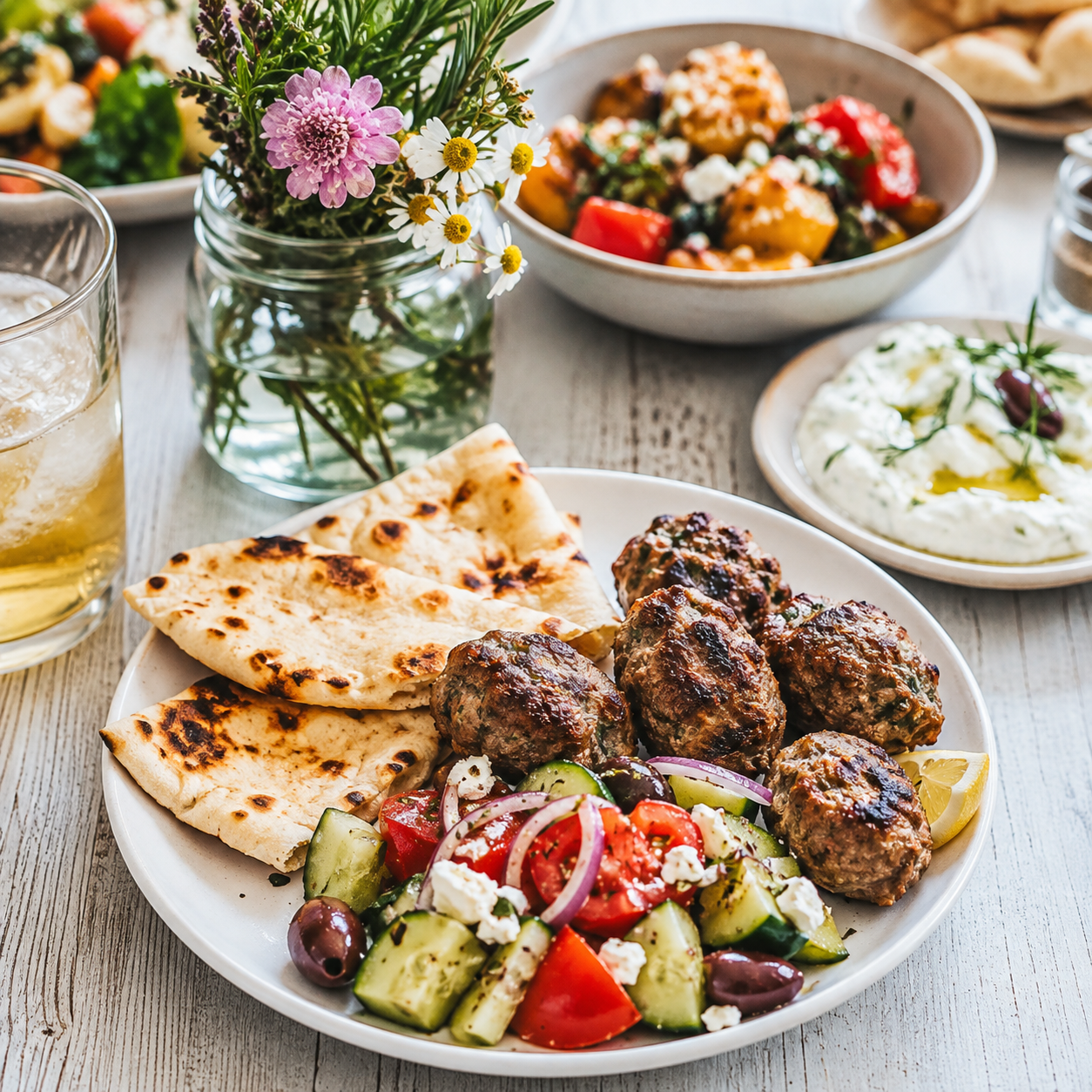
When dinner does roll around, here are some dishes worth waiting for:
Souvlaki or gyros: a classic, easy to love, and deliciously Greek
Grilled octopus: often served with lemon and olive oil
Dakos: a Cretan-style salad of barley rusk, tomatoes, feta, and oregano
Ladera: vegetables cooked in olive oil, perfect for vegetarians
Local wine or tsipouro: always served with food, never alone
Embrace the Slow Evening
Eating out in Athens isn’t just about the food. It’s about slowing down, joining in, and enjoying the moment. If you try to eat at 6pm, you might miss the magic. But if you wait, the reward will be an atmosphere full of life, laughter, and flavour.
So next time you’re in Athens and your stomach starts rumbling early, maybe grab a snack, take a walk, and hold out for a proper Greek dinner. You’ll be glad you did.
And if you want to ease into the rhythm, join one of our evening food tours. It’s the perfect way to taste Athens like a local.
Further Reading
Discovering Greek Food: a culinary journey through Greece
3 Greek Islands for Food Lovers (That Are Not Santorini or Mykonos)