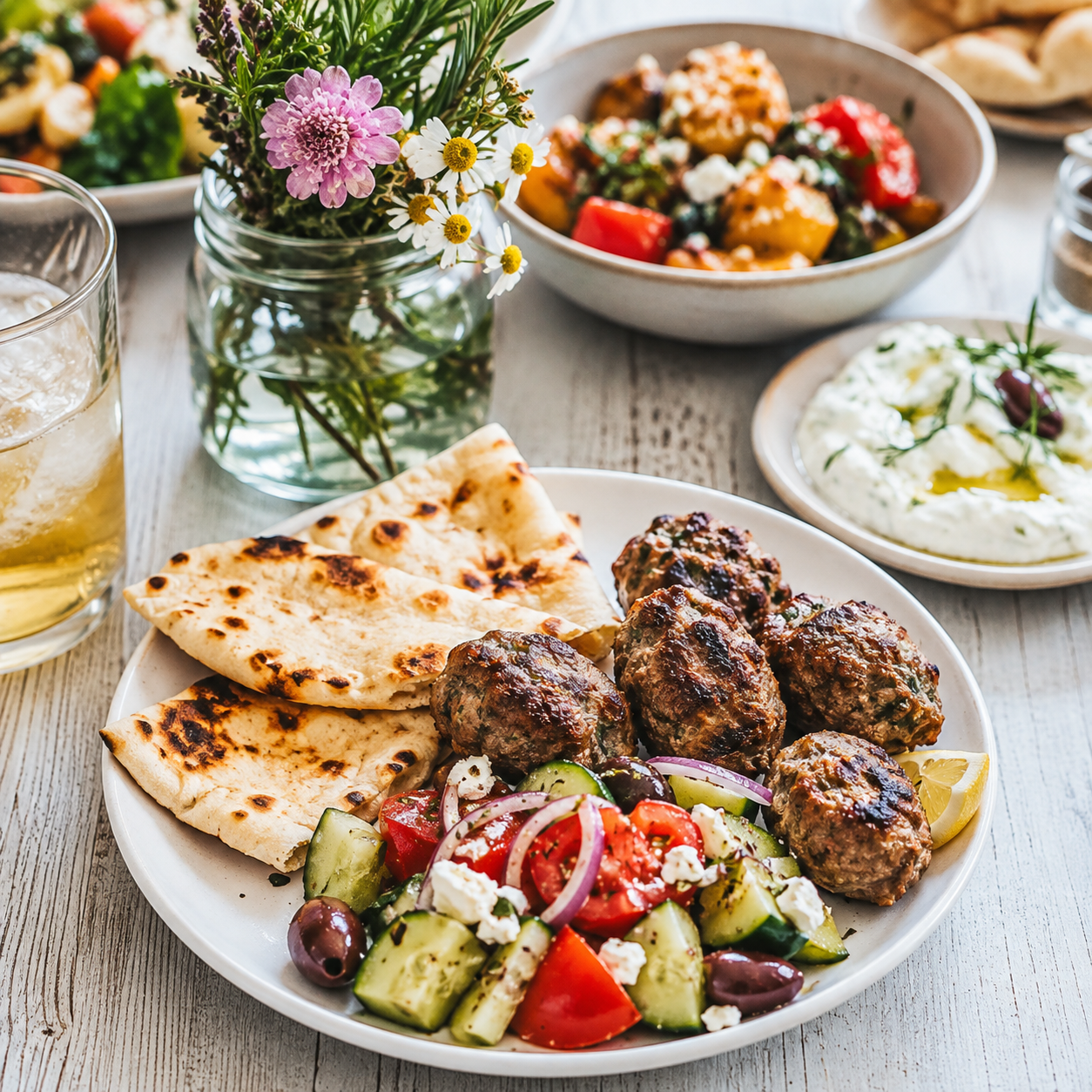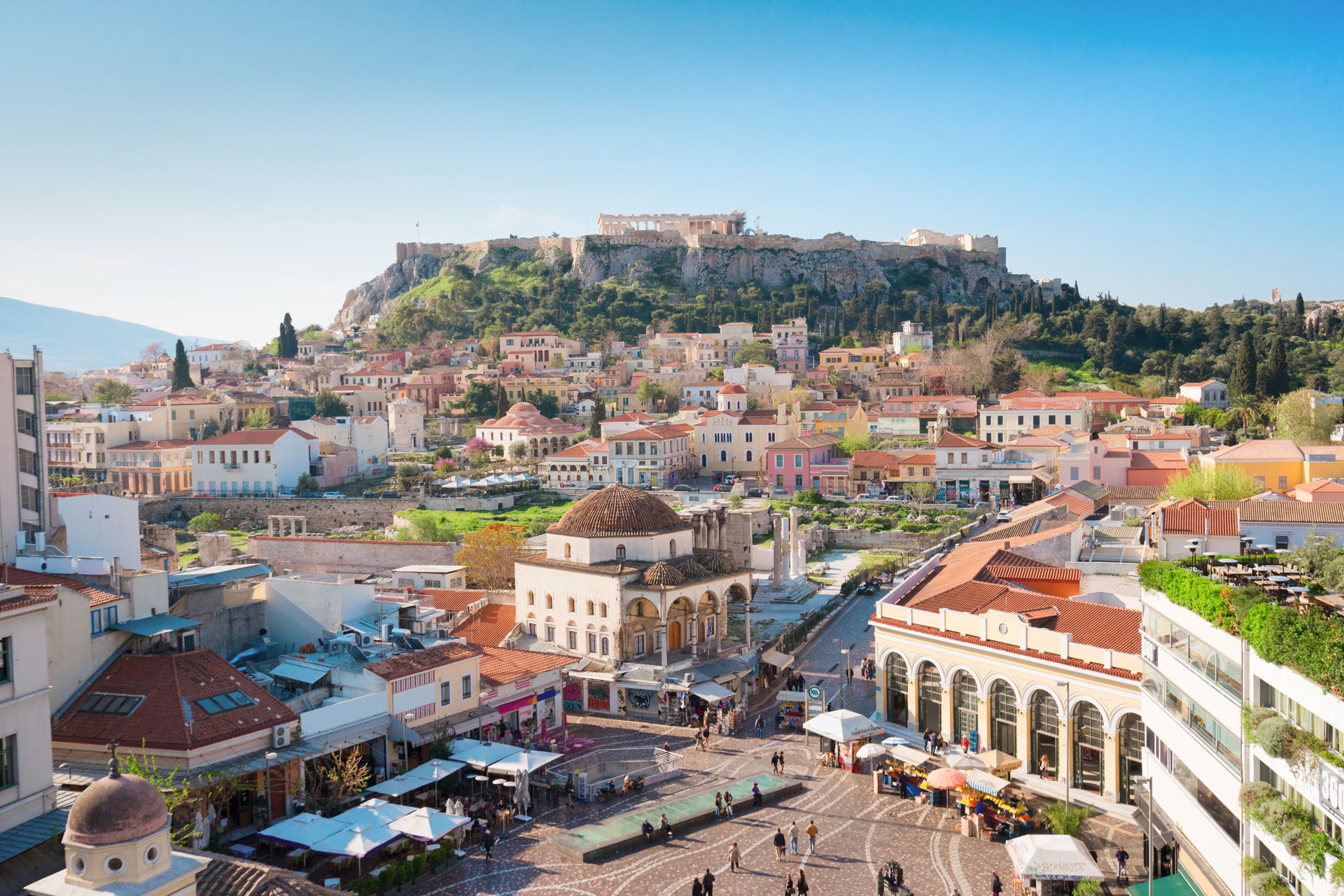
If you’re visiting Greece for the first time, chances are one of the things you’re most excited about is the food. And for good reason, too! Greek food is full of flavour, made with fresh local ingredients, and rooted in thousands of years of tradition.
But what should you eat first? And where can you find the most authentic bites without falling into tourist traps?
This beginner’s guide to Greek food in Athens will walk you through the must-try dishes and show you how to enjoy them authentically. Whether you’re a self-proclaimed foodie or a casual traveller, this is your starting point for tasting the best of what Greece has to offer.
Souvlaki: The Street Food Favourite
When you ask locals what to eat in Greece, souvlaki is usually the first answer. This simple but satisfying dish is made of small pieces of grilled meat (often pork or chicken) served on a skewer or wrapped in a pita with tomatoes, onions, chips, and a dollop of tzatziki.
It’s cheap, fast, and widely available. But not all souvlaki is created equal. Some spots use frozen meat or bland sauces. That’s why it helps to go where locals eat, or even better, join a local food tour that takes you to tried-and-tested souvlaki joints.
Loukoumades: Greek Doughnuts with a Twist
Loukoumades are one of the oldest desserts in Greece. They’re golden, crispy dough balls fried until puffed and airy, then drizzled with honey syrup and sometimes sprinkled with cinnamon or crushed nuts.
They’re perfect with a Greek coffee in the afternoon or as a sweet treat after dinner. You’ll find them in pastry shops across Athens, but some of the best are served fresh at small specialist cafés that only make loukoumades.
Pastitsio: Greece’s Answer to Lasagna
Craving comfort food? Look no further than pastitsio. This baked pasta dish has layers of macaroni, minced beef, tomato, and béchamel sauce. It’s creamy, rich, and deeply satisfying.
You’ll find pastitsio at traditional tavernas, especially at lunchtime. It’s a typical home-cooked dish, and one that many Greeks remember from their childhood. If you’re looking to experience the best Greek dishes beyond gyros and salads, pastitsio is a must.
Spanakopita and Tiropita: Pies with a Crunch
Greek pies are another staple. The most popular are spanakopita (spinach and feta) and tiropita (cheese pie). These are made with flaky filo pastry and can be eaten as a snack or light meal.
They’re sold at bakeries all over Athens, and many locals grab one for breakfast. A good pie should be crisp on the outside and packed with fresh, savoury fillings on the inside.
Moussaka: A Classic You’ve Probably Heard Of
Moussaka is perhaps the most well-known Greek dish internationally. It’s similar to pastitsio, but instead of pasta, it uses layers of aubergine. A typical moussaka includes minced meat, spiced tomato sauce, aubergines, and creamy béchamel.
Although you won’t find it in every taverna (it takes hours to prepare properly), when you do, it’s well worth trying. For the most authentic version, go somewhere that makes their moussaka fresh rather than reheated.
Meze: A Greek Table Full of Flavours
One of the best ways to enjoy Greek food in Athens is through a meze-style meal. These small plates are meant for sharing and might include things like:
- Tzatziki (yoghurt, garlic, cucumber dip)
- Dolmades (vine leaves stuffed with rice)
- Fava (yellow split pea puree)
- Grilled octopus or sardines
- Olives and cheeses
Meze is how Greeks like to eat when gathering with friends or family. It’s less about eating a meal and more about conversation. It’s also the best way to sample a wide variety of flavours without committing to just one dish.
Why Join a Food Tour in Athens?
With so many options, how do you know what’s authentic and what’s just there for the tourists? That’s where our guided food tour can make the difference between you eating a good meal and a great one.
At Food Around Athens, our tours are led by locals who know where to find the best Greek dishes, hidden bakeries, and neighbourhood favourites that most visitors miss. We’ll walk you through busy markets, family-run cafés, and places that have been serving traditional recipes for generations. You’ll not only taste the food, you’ll hear the stories behind it too.
And best of all? We handle the planning, so all you have to do is show up hungry.
Further Reading
The Liquid Gold of Greece: Why Olive Oil is Essential in Greek Cuisine
3 Greek Islands for Food Lovers (That Are Not Santorini or Mykonos)
Athens – The Cultural City of Europe