If you happen to be in Greece on June 8th this year, you might come across a lesser-known but deeply important celebration—Pentecost Day. Known in Greek as Pentikosti, this holiday takes place 50 days after Easter Sunday, marking the moment when the Holy Spirit descended upon the Apostles. For the Greek Orthodox Church, it’s one of the most significant religious days of the year.
But as with many holidays in Greece, Pentecost is a mixed day of faith, tradition, and food. Whether you’re in a quiet village or a big city like Athens, you’ll notice a certain calm and a return to older, slower rhythms.
What Pentecost Means in the Greek Orthodox Tradition
Pentecost is rooted in the story told in the Acts of the Apostles. Fifty days after Christ’s resurrection, the Holy Spirit appeared to the Apostles in the form of fire and wind, giving them the ability to speak in different languages. This event is seen as the birth of the Church and the beginning of spreading the Christian message.
In the Greek Orthodox Church, the day is honoured with a special Divine Liturgy that includes prayers known as the “kneeling prayers”, where worshippers kneel for the first time since Easter. Churches are decorated with green branches and flowers, symbolising life, renewal, and the presence of the Holy Spirit.
If you’re staying in Greece during this time, it’s worth visiting a local church to observe the service—even just standing quietly in the back. The chanting, incense, and atmosphere are deeply moving, even if you don’t speak the language.
A Long Weekend and a Slower Pace
In Greece, Pentecost Monday (known as Holy Spirit Monday or Agiou Pneumatos) is also a public holiday. Many people use the long weekend to travel, visit family, or take a break by the sea.
Athenians often escape the city, and popular beach destinations near Athens—like Sounio, Marathon, or the islands of the Saronic Gulf—become favourite getaways. Others head to the countryside or mountains, soaking in the early summer warmth before the heat of July and August sets in.
For visitors, this weekend can be a quiet, peaceful time to explore Greece. Many locals will be with family or attending religious services, so it’s a great moment to enjoy nature, discover small tavernas, or wander ancient ruins without the usual crowds.
What Do Greeks Eat on Pentecost?
While Pentecost doesn’t have as many specific food traditions as Easter or Clean Monday, food still plays a central role. This is Greece, after all.
People tend to gather for family meals, especially on the Monday holiday. These meals are often seasonal and simple, celebrating the fresh produce of early summer.
Here are some typical foods you might find on a Greek table during Pentecost weekend:
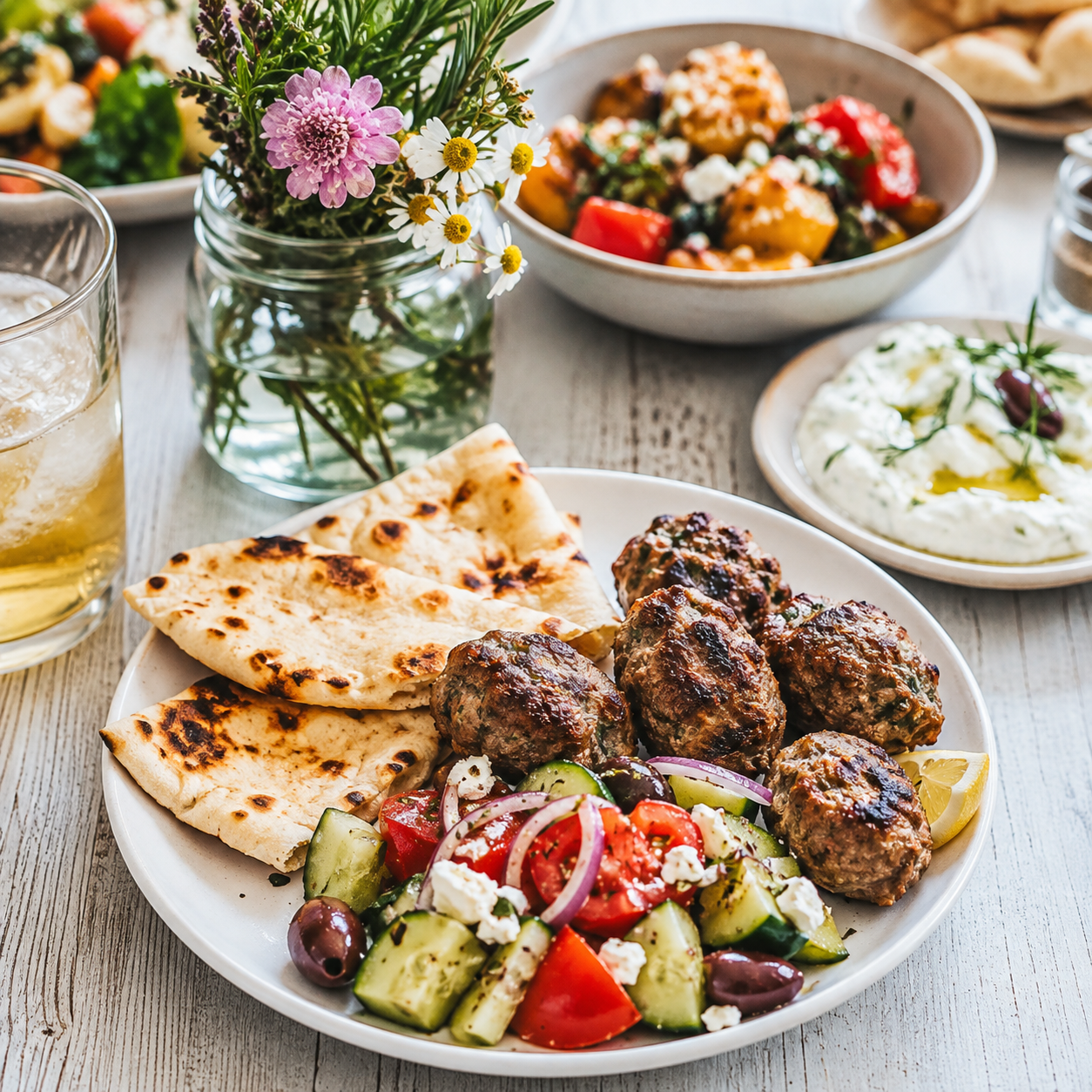
Grilled meats and fish: With Lent and fasting long behind, many families enjoy eating meat again—grilled lamb, chicken, or fish is often on the menu.
Fresh salads: Greek salad with tomatoes, cucumber, feta, and olive oil is a staple, often served with crusty bread and olives.
Wild greens and herbs: Dishes made with horta (boiled wild greens), dill, parsley, or mint reflect the holiday’s association with nature and renewal.
Homemade pies: Spanakopita (spinach pie), cheese pies, or leek pies are popular, especially for picnics or countryside outings.
Seasonal fruit: Cherries, apricots, and early figs are abundant in June and often served simply in bowls or baked into light desserts.
Meals are typically long and unhurried, accompanied by laughter, conversation, and sometimes a glass of wine or tsipouro.
How Pentecost Feels in Athens
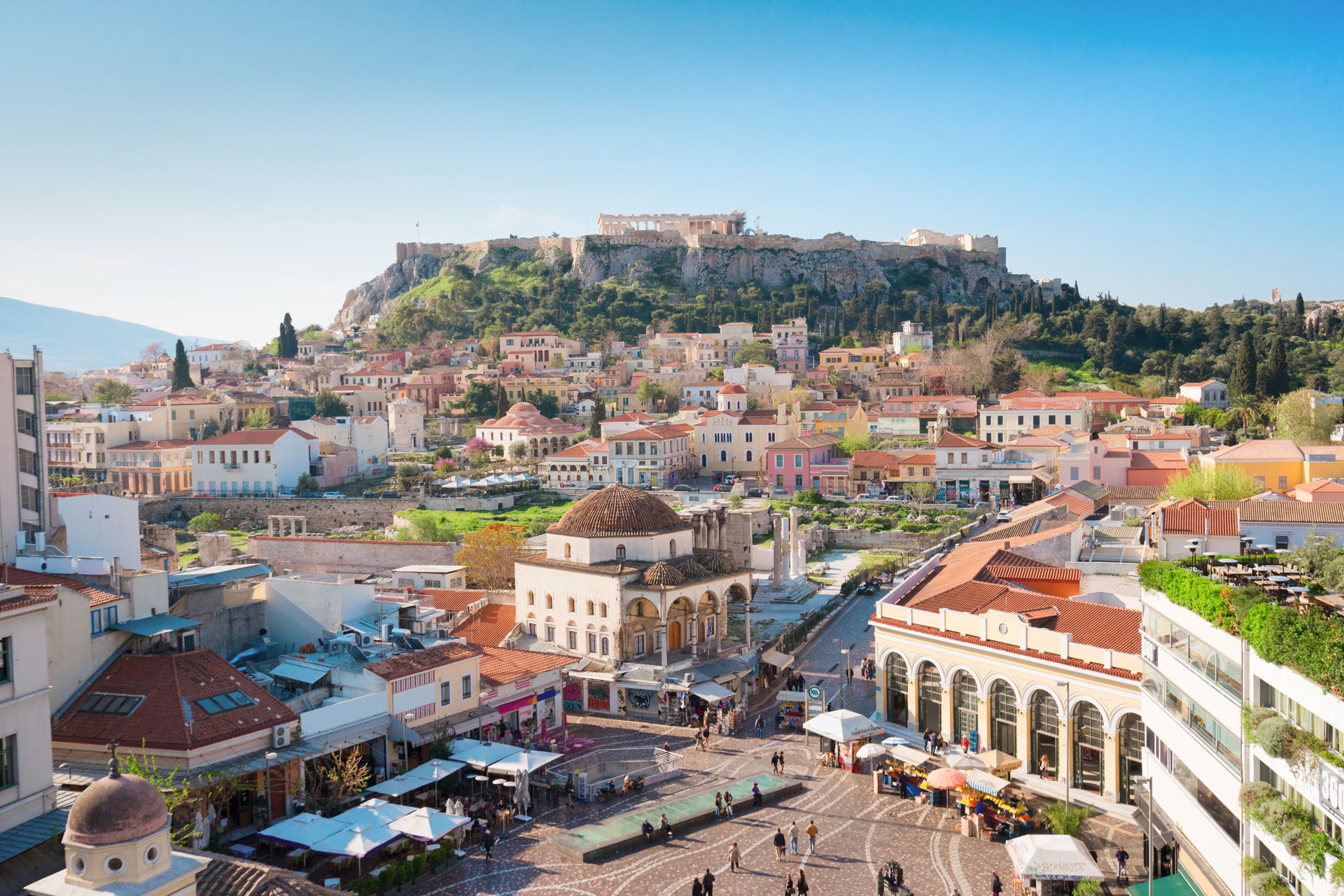
If you’re in the city of Athens over the Pentecost weekend, you’ll notice a much slower pace of life. Some shops and bakeries may close on Monday, and the streets are noticeably quieter. It’s a lovely time to enjoy local neighbourhoods, walk through the National Garden, or take a ferry to a nearby island for the day.
If you’re lucky, you might stumble upon a village festival, especially if you’re outside the city. In smaller towns, the day is sometimes marked by live music, dancing, and shared meals in the town square. These are often informal and deeply rooted in local custom.
Experience Pentecost Like a Local
Pentecost in Greece might not have the fireworks of Easter or the festive street parades of Carnival, but it carries a peaceful beauty. It’s about spiritual renewal, connection to nature, and the simple joys of sharing food with others.
If you’re travelling in Greece during this time, slow down and take it all in. Visit a church, enjoy a traditional meal, and notice the small rituals that make Greek life so rich. Pentecost is a reminder that even the quieter holidays can leave the deepest impression.
If you want a unique way to explore Greece, join one of our food and culture tours to experience authentic Greek life through food, flavours and traditions.